
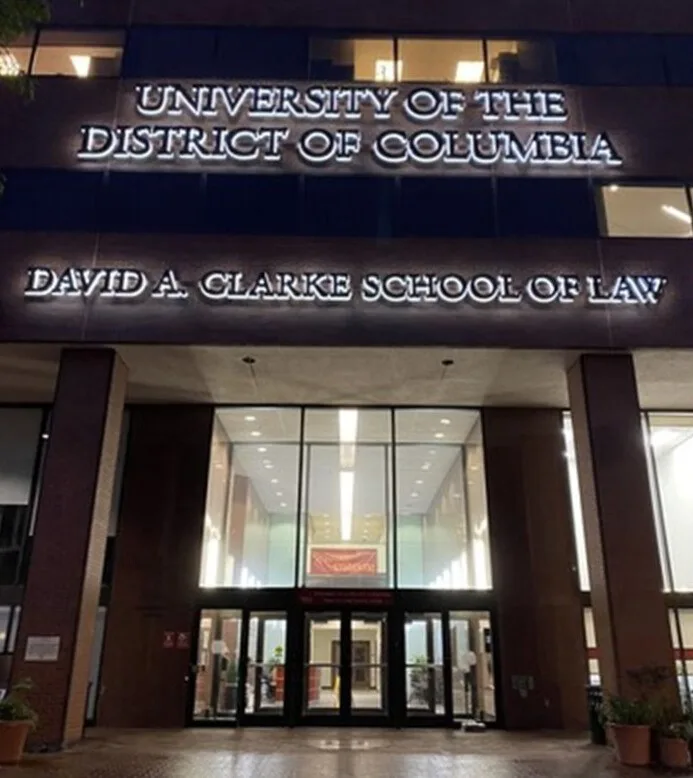
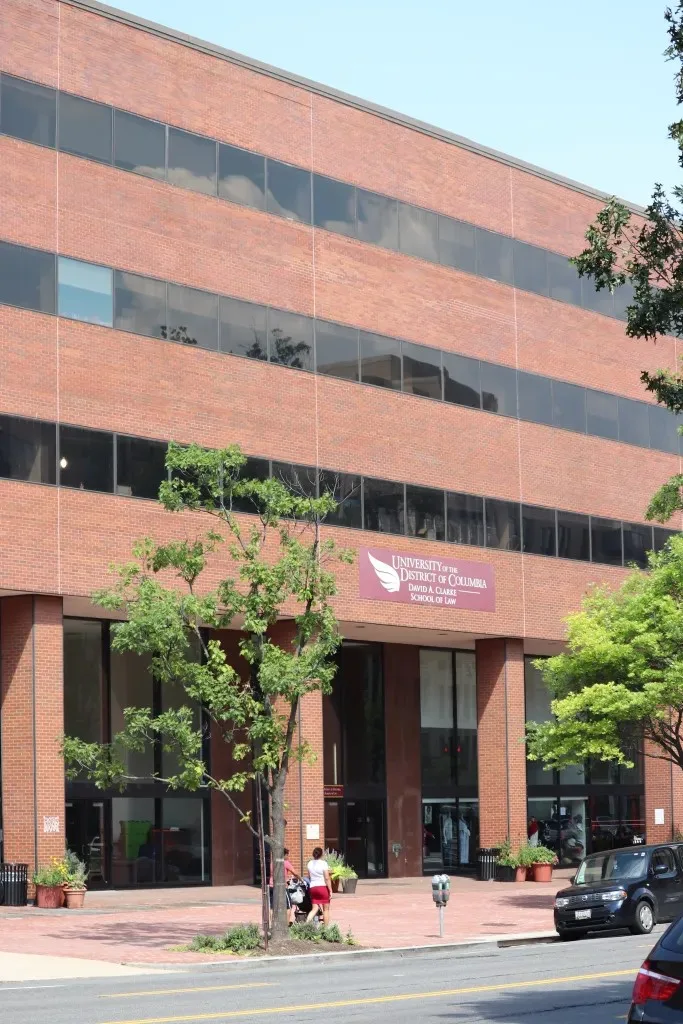
University of the District of Columbia – David A. Clarke School of Law
Description
1. Introduction
The University of the District of Columbia – David A. Clarke School of Law (UDC Law) is a public, ABA-accredited law school located in Washington, D.C., founded in 1972. It is known for its strong emphasis on public interest law, experiential clinical education, and social justice missions. As the only public law school in the U.S. capital and one of a few law schools historically connected to community justice and service, UDC Law prepares students to become ethical and community-oriented legal professionals.
2. Important Details of UDC David A. Clarke School of Law
| Feature | Details |
|---|---|
| Institution Name | University of the District of Columbia – David A. Clarke School of Law |
| Founded | 1972 |
| Location | Washington, D.C., USA |
| Type | Public Law School |
| Accreditation | American Bar Association (ABA) |
| Parent University | University of the District of Columbia |
| Focus Areas | Public interest law, clinical legal education |
| Programs | JD, LL.M. (Clinical & Social Justice) |
| Tuition | Approx. $6,219–$12,437 per semester depending on residency (2025-26) |
University of the District of Columbia – David A. Clarke School of Law Snapshots
Institution Type
The University of the District of Columbia David A. Clarke School of Law is the law school of the University of the District of Columbia, a public historically black land-grant university in Washington, D.C., established in 1972.
American Bar Association Approval
David A. Clarke School of Law is approved by the Council of the Section of Legal Education and Admissions to the Bar of the American Bar Association.
Institutional Accreditation
University of the District of Columbia – David A. Clarke School of Law is institutionally accredited by the Middle States Commission on Higher Education (MSCHE).
Location
Washington, DC, USA
1: Strategic International Chancery Center Location & Dual Jurisdiction access.
2: Proximity to the heart of the U.S. legal system in Washington, D.C. including Federal and State courts, Embassy and International Security Corridor, Law Firms, Government agencies, Regional Connectivity & more
Practical Exposure
1: Experiential learning opportunities
2: Legal Clinics and Practicum Courses
3: Supervised Externships.
4: Pro-Bono initiatives
5: Simulation-based courses designed to strengthen practical legal skills like trial advocacy, public speaking etc.
Legal Research Areas
1: Civil Rights, Diversity,& Social Justice
2: Law, Technology, and Racial Equity
3: Clinical Methodologies & Experiential Pedagogy
4: Municipal Law, Housing, and Urban Policy
5: Immigration and Human Rights & More
Employment Reputation
Approximately 76.25% Class of 2025 – employed 10 months after graduation.
Student Population
The School’s international environment makes it a preferred destination for aspiring lawyers, judges, academics, public servants, and legal researchers.
International Student Community
David A. Clarke School of Law attracts students and Legal Professionals from India, the United States, Canada, the United Kingdom, Australia, New Zealand, Europe, Asia, Africa, Latin America, and the Middle East & more.
Alumni Network
David A. Clarke School of Law alumni works as
1: Judges & Magistrates in U.S. Courts
2: Cabinet Members & Representativese
3: Attorneys General
4: Legal Scholars
5: Advocates, Legal Experts & Litigators
6: Business Executives & Partners at Leading Law Firms and More.
Commitment to Public Service
Beyond academic excellence, University of the District of Columbia – David A. Clarke School of Law maintains a longstanding commitment to public service, access to justice, human rights, and global legal development. Through real-world legal issues affecting societies, governments, businesses, and communities around the world.
Official Sources:
University of the District of Columbia Official Website
University of the District of Columbia – David A. Clarke School of Law Official Website
About University of the District of Columbia – David A. Clarke School of Law
3. Law Courses / Study Programs & English Requirements
Programs & Language Requirements
| Program | Duration | Focus / Specialization | English Tests Accepted | Typical Score Requirement |
|---|---|---|---|---|
| Juris Doctor (JD) | 3 years (full-time) / 4 years (part-time) | Public interest law, clinical legal education | TOEFL, IELTS (Intl)* | TOEFL iBT 80+ / IELTS 6.5+* |
| Master of Laws (LL.M.) | 2 years | Clinical Education, Social Justice, Systems Change | TOEFL, IELTS (Intl)* | TOEFL iBT 80+ / IELTS 6.5+* |
| Joint/Dual Options (if available) | Varies | JD + related public policy degrees | TOEFL, IELTS (Intl)* | TOEFL/IELTS scores as above |
* English requirements may be waived if previous degrees were taught in English.
Note: UDC Law does not offer traditional Indian-style five-year integrated law programs (e.g., B.A.LLB). It primarily focuses on American legal degrees.
4. Name of Required Entrance Exam
| Program | Entrance / Standardized Test |
|---|---|
| Juris Doctor (JD) | LSAT (Law School Admission Test) via LSAC required for JD admissions |
| LL.M. | No LSAT; requires a prior law degree |
| All Intl Applicants | TOEFL/IELTS (unless exempt) |
5. Top 5 Reasons to Choose UDC David A. Clarke School of Law
Public Interest & Service Mission – UDC Law’s curriculum is deeply rooted in legal service, social justice, and community advocacy.
Strong Clinical & Experiential Training – Mandatory clinical requirements prepare students with real-world lawyering experience in areas such as housing, immigration, and legislative advocacy.
Location Advantage – Based in Washington, D.C., students have access to federal courts, government offices, NGOs, and public policy organizations.
Affordable Legal Education – Tuition is comparatively lower for a U.S. law school, especially for District residents.
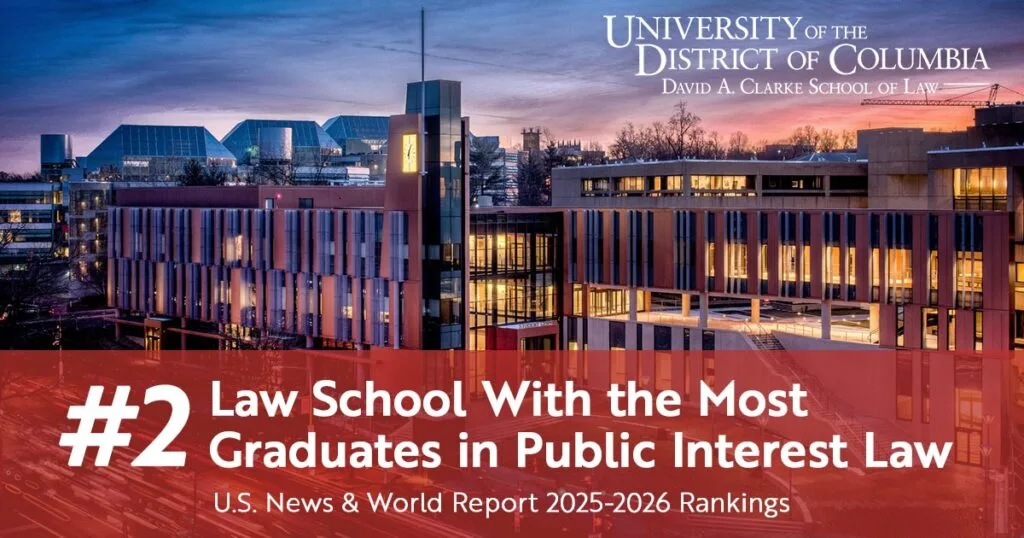
Recognition for Public Interest Outcomes – Ranked nationally (#2) for graduates entering public interest careers.
6. Grade and Ranking of the University
| Ranking Source | Rank / Status | Notes |
|---|---|---|
| U.S. News & World Report | #178 (2025 National Law School Rankings) | Recognized but comparatively lower among ABA-accredited law schools. |
| Public Interest Law Placement | #2 nationally | UDC Law ranks #2 for public interest law graduates. |
| Clinical Training | #19 (tie nationally) | Among top clinical training programs. |
Students interested in public service careers often prefer UDC David A. Clarke School of Law for its affordability, strong clinical focus, and Washington, D.C. location.
7. Documents Required for Admission
| Document | Description |
|---|---|
| Application Form | LSAC online application |
| LSAT Scores | Required for JD admission |
| Transcripts | Official undergraduate transcripts submitted via LSAC/CAS |
| Letters of Recommendation | Academic or professional references |
| Personal Statement | Statement of goals & legal interest |
| Justice Essay | Required at UDC Law admission |
| Resume/CV | Education & work history |
| English Proficiency | TOEFL/IELTS (if applicable) |
| Character & Fitness | Disclosure & addendum if needed |
8. How to Apply for Admission
| Step | Action |
|---|---|
| 1 | Review program requirements on UDC Law admissions site |
| 2 | Register with LSAC and CAS |
| 3 | Prepare and submit application form with fee |
| 4 | Upload LSAT/TOEFL/IELTS scores |
| 5 | Submit transcripts via CAS |
| 6 | Upload letters of recommendation, personal and justice essays |
| 7 | Track status through LSAC account |
| 8 | Receive decision & submit seat deposit if accepted |
9. Contact Details – UDC David A. Clarke School of Law
| Department | Phone | Email / Contact |
|---|---|---|
| Admissions Office | +1-202-274-7341 | lawadmission@udc.edu (primary admissions) |
| General Law School Info | +1-202-274-7000 | lawinfo@udc.edu |
| Official Address | – | 4340 Connecticut Avenue NW, Washington, DC 20008, USA |
References
This article is based on verified and current institutional sources including LSAC, UDC Law official site, U.S. News & World Report, and official news rankings.
Students exploring similar institutions can browse our College Directory for Law Colleges to compare courses, fees, and admission requirements.
